Physical Address
304 North Cardinal St.
Dorchester Center, MA 02124
Physical Address
304 North Cardinal St.
Dorchester Center, MA 02124

There is something quietly powerful about clarity.
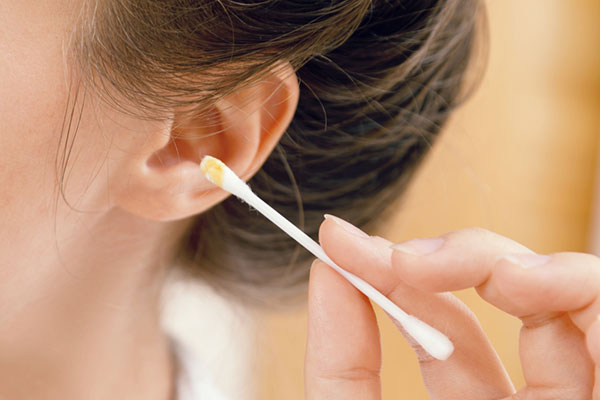
The moment you wake up to a world that sounds sharper, fuller, and more alive: the hum of a fan, the distant laughter of neighbors, the subtle rhythm of your own breath, it feels like stepping into a version of reality you didn’t realize you were missing. Often, the barrier between that dullness and clarity is something surprisingly simple: earwax.
Yes, earwax, medically known as cerumen, is one of the body’s most misunderstood protectors. It shields the ear canal from dust, bacteria, and dryness.
Some people produce very little and never think about it. Others find themselves battling blocked ears, muffled hearing, or persistent itchiness regularly from excessive wax production.
Whether you’re a first-timer looking for answers or someone who has tried every remedy under the sun, this guide walks you through everything you need to know about ear wax removal; what works, what doesn’t, and crucially, what you should never do.
This is where ear wax removers step in: not as harsh invaders, but as gentle restorers of balance.
Before reaching for any tool or solution, it helps to understand what you’re dealing with.
Ear wax. It’s not exactly dinner table conversation, yet nearly every person on the planet deals with it at some point in their life.
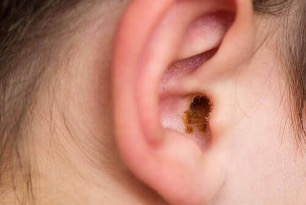
Earwax is not dirt. It’s a natural substance produced by glands in the outer ear canal. It is a mixture of secretions from sebaceous glands and ceruminous glands, combined with dead skin cells, hair and other foreign particles before they can reach the delicate middle and inner ear.
Ear wax traps particles, repels water, and even has antibacterial properties. Far from being a sign of poor hygiene, earwax is actually one of your body’s clever self-defense mechanisms. But like many good things, too much of it can become a problem. In most cases, your ears clean themselves using movements like chewing and talking, which help push wax outward naturally.
But sometimes, the system falters.
Excessive earwax production, frequent use of earbuds, earplugs, or even cotton swabs, can push wax deeper into the ear canal. Over time, this leads to impaction, a stubborn buildup that refuses to leave on its own. When it builds up, it doesn’t just sit quietly; it muffles sound, causes discomfort, and sometimes even leads to infections. That’s when intervention becomes necessary.
And not all interventions are created equal.
While anyone can develop an ear wax blockage, certain factors make it more likely:
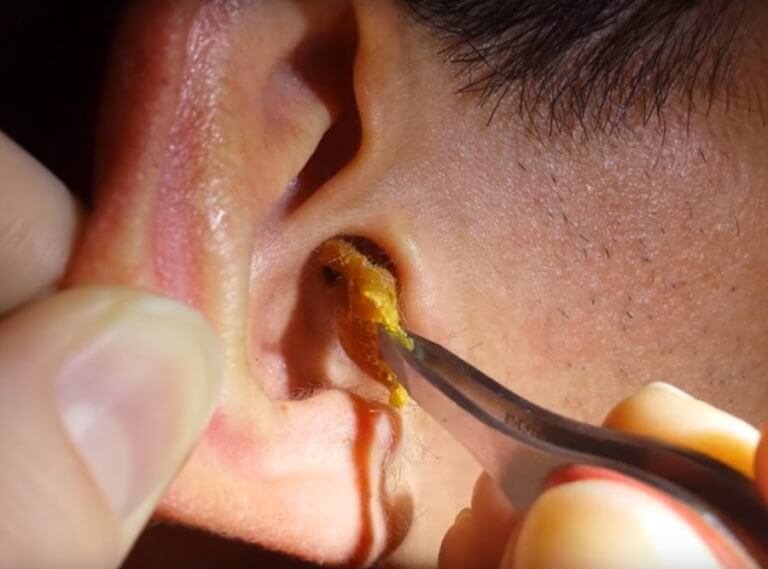
Not all ear wax needs to be removed. In most cases, your ears take care of themselves without any intervention. Ear wax removal should only be considered when you notice the following:
If you notice sudden hearing loss, severe ear pain, reddish or pus-like discharge or dizziness, it is strongly advised that you do not attempt wax removal. See a doctor immediately, as these symptoms may be more consistent with a perforated eardrum or infection.
Gone are the days when people relied solely on improvised methods that often did more harm than good. Today, ear wax removers have evolved into carefully designed tools and solutions that combine safety, efficiency, and comfort.
From simple drops to advanced irrigation systems, each method offers a different approach to solving the same problem: restoring your hearing and comfort without damaging the delicate ear canal.
Let’s explore these modern solutions.
1. Softening Ear Drops: The Gentle Dissolvers
Ear drops are perhaps the most understated heroes in ear care.
These liquid solutions are designed to soften hardened wax, making it easier for the ear to expel it naturally. Some are oil-based, like olive oil or mineral oil, while others use hydrogen peroxide or saline solutions to break down the wax.
Using them feels almost ritualistic. A few drops, a moment of stillness, and a subtle fizzing or warming sensation as the solution works its way through the blockage.
They don’t force the wax out; they persuade it.
For people with mild to moderate buildup, ear drops are often enough. They’re safe, non-invasive, and ideal for regular maintenance.
2. Irrigation Kits: The Cleansing Flow
If ear drops are gentle whispers, irrigation kits are a soft but steady stream of action.
These systems use water, usually warm saline or distilled water, to flush out loosened wax. Modern kits often come with specially designed bulbs or spray bottles that control pressure, ensuring the process remains safe.
There’s something deeply satisfying about irrigation. It’s a cleansing experience, almost like washing away not just wax, but the dullness that came with it.
However, precision matters. Too much pressure or improper use can irritate the ear canal, so following instructions is essential. It’s safer for ear irrigation to be done by a Professional.
3. Manual Tools: Precision and Control
For those who prefer a hands-on approach, manual ear cleaning tools offer precision.
These include silicone-tipped scoops, spiral cleaners, and flexible loops designed to gently extract wax without pushing it deeper. Unlike cotton buds, which often worsen impaction, these tools are crafted to work with the natural structure of the ear.
But they demand respect.
The ear canal is delicate, and careless use can lead to injury. These tools are best for visible wax near the outer ear, not for deep exploration.
Think of them as fine instruments, useful in skilled hands, risky in careless ones.
4. Electric Ear Cleaners: Technology Meets Comfort
Welcome to the future of ear care.
Electric ear cleaners combine suction or gentle vibration with ergonomic design to remove wax efficiently. Some even include tiny cameras, allowing you to see inside your ear via a smartphone app.
It’s no longer just cleaning; it’s a whole new experience.
Imagine watching, in real time, as clarity is restored. It’s oddly fascinating and deeply reassuring.
These devices are especially useful for those who want thorough cleaning without the guesswork. They bring a level of control and visibility that traditional methods simply cannot match.
You may want to see this electric ear cleaner that has been quietly making a lot of revolution online.
No matter how advanced or appealing a product is, safety remains the foundation of ear wax removal.
The ear is not a place for experimentation.
Avoid inserting sharp or rigid objects. Never push tools deep into the canal. If you experience pain, dizziness, or persistent blockage, it’s time to step back and consult a professional.
Sometimes, the best remover isn’t a device, it’s a trained hand.
Medical professionals use specialized instruments and techniques to safely remove stubborn wax. There is no shame in seeking help; in fact, it’s often the smartest choice.
It’s not about choosing the most advanced option, it’s about choosing the right one for your situation.
If you experience regular earwax buildup, having a consistent, sensible routine can keep problems at bay without requiring frequent clinic visits. Here’s a practical approach:
Week 1: This is week is usually referred to as the softening phase (3–5 days). Apply 2–4 drops of a cerumenolytic agent (olive oil, carbamide peroxide drops, or a commercial ear drop) to the affected ear once or twice daily. After application, keep the ear tilted upward for 5–10 minutes. Follow with a gentle head tilt to let excess drain.
Day 5 or 6: After the softening stage comes the irrigation stage. Once the wax is thoroughly softened, use a bulb syringe or purpose-designed irrigation kit with body-temperature water to gently flush the canal. Do this over a sink or basin. One to three gentle flushes are usually sufficient.
Drying: After irrigation, allow the ear to drain fully. You can use a hairdryer on the lowest setting held at arm’s length to gently dry the canal if you’re prone to swimmer’s ear or fungal infections.
Maintenance: For ongoing management, applying a few drops of olive oil to each ear once a week can help keep wax soft and encourage natural migration. This is especially useful for hearing aid users or older adults.
We often underestimate how much hearing shapes our daily experience. When your ears are blocked, the world feels distant. Conversations become effortful. Music loses its depth. Even your own voice sounds unfamiliar.
Then, after proper cleaning, everything changes. There’s a quiet joy in rediscovering sound. The crispness of words, the richness of music, the subtle details you didn’t realize you were missing—it all comes rushing back.
It’s not just about removing wax. It’s about restoring connection.
A Gentle Reminder: Less Is More
One of the biggest mistakes people make is over-cleaning. Your ears don’t need constant intervention. In fact, excessive cleaning can strip away protective wax, leading to dryness and irritation.
Balance is key. Let your ears do their job, and step in only when necessary. When you do, choose methods that respect the natural design of your body.
If you wear hearing aids, ear wax management becomes an ongoing part of your care routine. Hearing aids sit in or near the ear canal, stimulating additional wax production and blocking the natural migration of cerumen. Wax can also clog the microphone ports and receiver of the device itself, reducing sound quality and causing damage.
Most audiologists recommend the following:
– Have your ears professionally checked for wax every six months as part of your hearing aid review
– Clean the outer portions of the hearing aid daily with a dry cloth
– Use hearing aid wax guards and replace them regularly
– Avoid inserting cotton swabs into the canal to “clean before inserting” the device. This usually makes wax problems worse.
Home management is appropriate for most cases of mild to moderate wax buildup, but there are clear situations where professional assessment is the right call:
A General Practitioner can examine your ear with an otoscope, determine whether wax is truly the cause of your symptoms, and either treat you directly or refer you to an audiologist for microsuction.
Ear wax removers are more than tools; they are bridges back to clarity, comfort, and connection. In a world full of noise, the ability to hear clearly is a quiet luxury we often take for granted. Taking care of your ears is not just a matter of hygiene; it’s an act of self-respect.
So whether you choose a simple drop, a flowing rinse, or a sleek electric cleaner, remember this: The goal is not to fight your body, but to support it. Because sometimes, the smallest acts of care create the most beautiful clarity.